Houston’s warm climate, humidity, heavy rainfall, dense neighborhoods, mature landscaping, and proximity to waterways can create favorable conditions for pests throughout much of the year. Cockroaches, ants, mosquitoes, rodents, termites, and other pests can all become problems for Houston homeowners.
When you need professional Pest Control Houston services, choosing a company should involve more than simply searching for the closest provider or the lowest price. The right pest control company should be properly licensed, understand Houston-area pest pressures, identify the actual source of the problem, explain its treatment strategy, and provide clear expectations about follow-up service.
If you are comparing options for an exterminator Houston homeowners can depend on, knowing what to look for before scheduling service can help you make a more informed decision.
Why Local Pest Control Experience Matters in Houston
Pest control is highly dependent on geography.
Houston’s Gulf Coast environment creates pest conditions that differ from those found in drier or colder parts of the country. Texas A&M AgriLife Extension identifies ants, cockroaches, termites, rodents, and numerous other insects as common household pest concerns in Texas. Its guidance also emphasizes that correctly identifying the pest is an important first step because different species often require different management strategies. Homeowners can review the agency’s household pest guidance for more information.
Termites are particularly important in this part of Texas. Texas A&M notes that the eastern subterranean termite is the species most commonly encountered in the state, while drywood and Formosan termites can also create problems, particularly along the Gulf Coast. Additional information is available through the Texas A&M termite resource center.
For this reason, a pest control company familiar with Houston should understand more than how to apply a general pesticide treatment. Technicians should recognize local pest behavior, common entry points, seasonal changes, moisture conditions, construction characteristics, and other factors affecting Houston properties.
Drake Lawn & Pest Control’s Houston branch provides services for general household pests, subterranean termites, mosquitoes, wildlife, lawns, shrubs, and other property concerns throughout Houston and surrounding communities. Homeowners can also review Drake’s dedicated Houston pest control services.
Pest Control Houston What Homeowners Should Look For
A good pest control company should begin with inspection and identification instead of applying the same treatment to every property.
Texas A&M’s Integrated Pest Management guidance emphasizes identifying the pest and understanding why the problem is occurring before choosing a control method. An IPM approach can combine inspection, sanitation, exclusion, habitat modification, monitoring, and targeted pesticide use where appropriate.
That distinction matters. If cockroaches are entering through plumbing penetrations and exterior gaps, simply treating visible insects inside may provide temporary relief without correcting the entry points. If ants are nesting outdoors, successful treatment may require identifying the species and addressing the colony rather than repeatedly spraying ants traveling across a kitchen counter. If rodents are entering through gaps around a roofline or garage, trapping animals without addressing those openings can leave the property susceptible to another infestation.
The objective should be to determine what pest is present, where it is coming from, why the property is attractive to it, and how the infestation can be controlled while reducing the chances of it returning.
Verify That the Houston Exterminator Is Properly Licensed
Licensing should be one of the first things you verify when comparing pest control companies.
The Texas Department of Agriculture’s Structural Pest Control Service regulates professionals who perform structural pest control in Texas. State law requires businesses and individuals performing structural pest control for hire to meet applicable licensing requirements. The department provides structural pest control licensing information for consumers and professionals.
Texas separates pest-control licensing into categories. These include general pest control, termite control, lawn and ornamental pest control, structural fumigation, and other specialties. Hiring a company for routine cockroach treatment is therefore different from hiring one to address termites or perform specialized fumigation.
Commercial structural pest-control businesses must maintain applicable business licensing and designate a responsible certified applicator. The state also maintains public records of current commercial businesses, applicators, technicians, and apprentices. Homeowners can review the department’s structural pest control business requirements and verify licensing before hiring an exterminator.
Look for an Exterminator Who Identifies the Pest First
Good pest management depends on accurate identification.
For example, Texas A&M explains that cockroaches living primarily indoors may require different management methods from larger outdoor cockroach species that occasionally enter homes. Its cockroach guidance describes these differences in more detail.
Ant identification matters as well. Texas A&M notes that most ants entering Texas homes originate outdoors and that knowing which species is present is an important first step toward eliminating the problem. Homeowners can consult the agency’s household ant guide for identification and management information.
A professional inspection should therefore look beyond the insect you happened to see. Depending on the pest, a technician may evaluate moisture sources, food sources, exterior vegetation, cracks, utility penetrations, plumbing, attics, garages, foundations, rooflines, mulch, standing water, and other contributing conditions.
When evaluating an exterminator Houston residents are considering hiring, ask what the technician believes is causing the infestation and what evidence supports that conclusion. A knowledgeable professional should be able to explain the answer in understandable terms.
Ask Whether the Treatment Addresses the Source
Killing visible pests is not necessarily the same as controlling an infestation.
A comprehensive Houston pest control program may include exterior treatments, targeted interior applications, baits, crack-and-crevice treatments, nest or colony control, exclusion recommendations, monitoring, and follow-up visits depending on the pest involved.
Drake’s general pest control program includes an initial inspection and treatment followed by ongoing exterior pest management. Its treatment strategy addresses common entry points, harborage areas, cabinets, water-source areas, garages, exterior walls, doors, windows, plumbing penetrations, eaves, and other locations where pests may live or enter.
That type of approach is preferable to choosing treatment based only on where a pest was last seen.
Choose a Company That Understands Houston Termites
If termites are suspected, selecting the right company becomes particularly important.
Texas A&M describes termites as some of the most economically important structural pests and advises Texas homeowners to become familiar with termite activity. Subterranean termites live primarily underground and can reach structures through concealed pathways. Workers may remain hidden inside wood, soil, or mud tubes, which means significant activity can exist without termites constantly being visible.
Texas A&M advises homeowners that termites found inside a structure generally indicate that professional treatment is appropriate. Its termite control guidance explains why specialized knowledge and equipment are often needed.
Termite service also has specific consumer protections in Texas. When a pest-control company provides a termite-treatment estimate or proposal, the Texas Department of Agriculture requires written information that includes treatment areas, evidence of termite activity, warranty or guarantee terms, product information, and treatment specifications. The department provides additional details about termite treatment and fumigation requirements.
That makes it important to compare the treatment plan and warranty instead of comparing price alone. Drake’s Houston pest-control operation offers subterranean termite inspections and treatment options for Houston-area properties.
Consider Experience With Other Major Houston Pests
A qualified Houston exterminator should have experience addressing the range of pests likely to affect homes in the area.
Cockroaches can enter structures through small exterior openings or become established indoors. Ant colonies may originate outdoors before workers begin entering kitchens and bathrooms. Mosquito populations can develop around standing water and shaded vegetation. Rodents can exploit gaps around rooflines, garages, utility penetrations, and other structural openings.
Houston’s climate also means pest problems may overlap. A homeowner may initially call about cockroaches only to discover conditions around the property are also encouraging ants or rodents. Choosing a company capable of evaluating the property as a system can be more useful than treating every pest sighting as an isolated event.
Do Not Choose an Exterminator Based on Price Alone
Price matters, but the cheapest initial treatment is not necessarily the least expensive solution.
A low-cost service that repeatedly treats visible insects without identifying the source can result in recurring appointments and continued frustration. Compare the complete service being offered by asking questions such as:
- Is the company licensed for the service being performed
- Will the technician inspect the property before recommending treatment
- What pest species is causing the problem
- Does the treatment address nesting or breeding areas
- Are exterior entry points being evaluated
- Does the service include follow-up visits or retreatments
- What pests are included or excluded from the agreement
- Is there a guarantee and what are its limitations
- Are termite services covered by a separate agreement
- What should the homeowner do to help prevent the problem from returning
The answers can reveal much more about a pest-control company than the initial quote alone.
Ask About Guarantees and Follow Up Service
Pest management sometimes requires more than one visit.
Eggs may hatch after an initial treatment. Ant colonies may require time to respond to bait. Rodent exclusion may need monitoring. Exterior pest pressure can also change after rain, temperature shifts, construction, landscaping changes, or other environmental events.
Before choosing a provider, ask what happens if the pest returns. Drake states that its general pest-control program includes necessary retreatments at no additional cost and a 30-day money-back guarantee if the covered pest problem is not eliminated. Terms can vary between companies and services, so homeowners should always review the actual service agreement.
Be Cautious of One Size Fits All Treatments
Texas A&M’s Integrated Pest Management recommendations provide a useful standard for evaluating pest companies.
A responsible program should not automatically assume that spraying more pesticide is the answer. Texas A&M explains that changing conditions that contribute to a pest problem can sometimes be one of the most effective approaches.
For homeowners, that could mean correcting moisture issues, sealing entry points, removing food sources, adjusting landscaping, eliminating standing water, or addressing sanitation conditions along with targeted treatment. An exterminator should be able to explain what you can change around the property to reduce future pest pressure.
When to Call a Houston Exterminator
Professional help becomes especially valuable when pest activity continues despite basic prevention measures, when you cannot identify the pest, when an infestation appears to be growing, or when structural pests such as termites or rodents may be involved.
Termites deserve particularly quick attention. Texas A&M notes that finding termite swarmers indoors is a strong indicator of an infestation and recommends working with a professional when a home is infested. The agency’s termite identification guide explains common signs of activity.
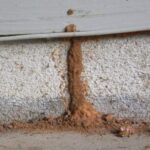
Repeated cockroach sightings, rodent droppings, unexplained scratching in an attic, recurring ant trails, visible termite mud tubes, or persistent mosquito activity are also reasonable signs that a professional inspection may be worthwhile.
Finding the Right Pest Control Company in Houston
Choosing the right Pest Control Houston company comes down to more than finding someone who can spray for bugs.
Look for a licensed company that performs a thorough inspection, correctly identifies the pest, explains why the infestation is occurring, recommends a targeted solution, provides clear pricing and warranty information, and has experience dealing with Houston-area pest conditions.
The right exterminator Houston homeowners choose should also be willing to explain what happens after the treatment and what can be done to reduce future pest activity.
Drake Lawn & Pest Control operates a Houston branch at 10187 Windfern Road and serves Houston as well as surrounding communities including Bellaire, Deer Park, The Woodlands, Conroe, Sugar Land, Missouri City, Katy, and nearby portions of Harris, Montgomery, and Fort Bend counties. Its Houston services include general pest control, termite protection, mosquito control, wildlife management, lawn care, and related property services.
Homeowners can schedule a Houston pest control inspection with Drake to identify the source of pest activity and review appropriate treatment options.
Frequently Asked Questions About Houston Pest Control
How Do I Choose a Good Exterminator in Houston
Start by verifying Texas licensing, then look for a company that inspects the property, identifies the actual pest, explains its treatment strategy, provides clear service terms, and offers appropriate follow-up or warranty coverage.
Does a Pest Control Company Need to Be Licensed in Texas?
Yes. The Texas Department of Agriculture regulates structural pest-control businesses and professionals, and licensing requirements apply to companies providing pest-control services for compensation.
What Pests Are Common Around Houston Homes
Houston homeowners can encounter ants, cockroaches, termites, mosquitoes, rodents, spiders, bed bugs, fleas, ticks, and other household pests. The exact pest pressure depends on the property, surrounding environment, weather, and season.
Should I Hire a Professional for Termites
Professional treatment is generally recommended when termites are found inside a home. Texas A&M notes that effective termite treatment typically requires specialized equipment and knowledge.
What Is Integrated Pest Management?
Integrated Pest Management, or IPM, combines accurate pest identification with prevention, monitoring, environmental modifications, and appropriately targeted treatments. Texas A&M recommends asking pest-control companies whether they use an IPM approach
 Ken
Ken
Table of Contents
- Why Local Pest Control Experience Matters in Houston
- Pest Control Houston What Homeowners Should Look For
- Verify That the Houston Exterminator Is Properly Licensed
- Look for an Exterminator Who Identifies the Pest First
- Ask Whether the Treatment Addresses the Source
- Choose a Company That Understands Houston Termites
- Consider Experience With Other Major Houston Pests
- Do Not Choose an Exterminator Based on Price Alone
- Ask About Guarantees and Follow Up Service
- Be Cautious of One Size Fits All Treatments
- When to Call a Houston Exterminator
- Finding the Right Pest Control Company in Houston
- Frequently Asked Questions About Houston Pest Control
- How Do I Choose a Good Exterminator in Houston
- Does a Pest Control Company Need to Be Licensed in Texas?
- What Pests Are Common Around Houston Homes
- Should I Hire a Professional for Termites
- What Is Integrated Pest Management?
Similar Posts


Schedule Free Inspection
Recent Blogs

Chinch Bug Problems in Florida What Homeowners Need to Know
Florida’s warm climate helps lawns remain green for much of the year, but it also creates favorable conditions for destructive... Read More
- Sep 17, 2026
- 15 min read read

Florida Lawn Fertilization: How to Feed Your Grass Without Overdoing It
Florida Lawn Fertilization: How to Feed Your Grass Without Overdoing It Suggested SEO title: Lawn Fertilizer Service in Florida: A... Read More
- Aug 22, 2026
- 19 min read read

Weed Control in Florida: A Homeowner’s Guide to a Healthier Lawn
Florida’s warm temperatures, seasonal rainfall, sandy soils, and long growing season can create ideal conditions for lawn weeds. Effective weed... Read More
- Aug 21, 2026
- 15 min read read