
Maintaining a healthy lawn in Tampa requires more than watering and mowing. Florida turf must withstand heat, humidity, periods of heavy rainfall, dry conditions, weeds, diseases, and insects that feed on grass blades or roots.
These problems can create similar symptoms. Brown grass, thinning areas, yellow patches, and bare spots may be caused by insects, poor irrigation, drought stress, improper mowing, nutrient deficiencies, disease, or a combination of several issues.
Effective lawn pest control begins with identifying the actual cause before applying treatment.
Why Accurate Lawn Diagnosis Matters
It is easy to assume that every brown area is caused by insects. Applying insecticide without confirming pest activity may fail to correct the problem and can make it harder to determine what is actually damaging the grass.
The University of Florida’s lawn insect pest guidance recommends identifying the specific pest before choosing a treatment. Different insects feed in different parts of the lawn and create different damage patterns.
A professional lawn inspection may evaluate:
- The grass variety
- The location and shape of damaged areas
- Soil and thatch conditions
- Irrigation coverage
- Evidence of insects or larvae
- Weed pressure
- Fungal or disease symptoms
- Recent weather and lawn treatments
- Mowing height and frequency
Drake’s lawn care services include customized seasonal applications, weed management, disease control, insect treatments, and lawn-specific service recommendations.
Common Lawn Pests in the Tampa Area
Chinch Bugs
Chinch bugs are among the most destructive insects affecting St. Augustinegrass. They feed on grass by drawing out plant fluids, causing affected areas to turn yellow and then brown.
Damage often begins in hot, sunny, or drought-stressed portions of the lawn. The affected area may continue to expand even after the lawn has been watered.
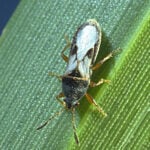
Adult chinch bugs are small, black insects with white markings. Younger insects may appear orange or reddish with a light-colored band.
The University of Florida recommends inspecting the transition between healthy green grass and damaged brown grass, where active chinch bugs are frequently found. Learn more from the university’s chinch bug identification guide.
Because drought stress and chinch bug damage can look similar, homeowners should avoid treating based solely on grass color.
White Grubs
White grubs are the immature stage of several scarab beetles. They live near the soil and thatch layer and feed on turf roots.
Early damage may cause yellowing or thinning. More serious infestations can create larger areas of dead turf, particularly when grass is already under drought or heat stress.
Grass damaged by root-feeding insects may feel loose and lift more easily from the soil. Animals digging into the lawn can also indicate the presence of grubs, although digging alone does not confirm an infestation.
Caterpillars and Surface-Feeding Insects
Sod webworms and armyworms feed primarily on grass blades rather than roots. Damage may appear as chewed turf, thinning areas, or irregular bare patches.
These pests can be difficult to see during the day because some remain close to the soil or become more active at night. A professional inspection can help distinguish caterpillar feeding from drought, disease, or mowing damage.
Mole Crickets
Mole crickets tunnel through the soil and may damage both roots and the soil around them. Affected turf can become thin, loose, uneven, or dry-looking.
Because mole crickets spend much of their time below the surface, treatment timing and placement are important. Surface applications may not provide adequate control when the insects are deeper in the soil or have reached a more difficult life stage.
Fire Ants and Fleas
Fire ant mounds can interfere with lawn use and create a stinging hazard for people and pets. Fleas may develop in shaded outdoor areas frequented by pets, rodents, or wildlife.
Lawn treatment should address the pest’s life cycle and likely harborage areas instead of treating only the most visible symptoms. Drake’s lawn program includes fire ant, flea, and turf-damaging insect control as part of its broader lawn-care services.
Why 2026 Water Restrictions Matter for Tampa Lawns
Lawn health and pest pressure are closely connected to irrigation. Turf that receives too little water may become stressed and more vulnerable to damage. Excessive or uneven watering can encourage weak roots, weeds, fungus, and moisture-loving pests.
In 2026, Hillsborough County is operating under a Modified Phase III “Extreme” Water Shortage order. For unincorporated Hillsborough County, one-day-per-week watering restrictions are currently scheduled to remain in effect through October 1, 2026. Tampa residents should follow the separate schedule and requirements established by the city.
Homeowners should review the current Hillsborough County watering rules or the City of Tampa watering schedule before changing an irrigation timer.
A lawn that suddenly develops dry strips, isolated circles, or consistently stressed areas may have:
- Broken sprinkler heads
- Clogged nozzles
- Incorrectly aimed sprinklers
- Uneven water pressure
- Improper zone timing
- Overspray onto pavement
- Insufficient coverage near edges
Drake’s irrigation services can identify coverage problems, repair damaged components, and help homeowners use available watering days more efficiently.
Tampa Fertilizer Restrictions in 2026
Within the City of Tampa, lawn and landscape fertilizers containing nitrogen or phosphorus cannot be applied during the restricted period from June 1 through September 30.
The city established these rules to reduce the potential for nutrients to wash into bays, streams, and stormwater systems. Homeowners and property managers can review the current requirements on Tampa’s fertilizer management page.
These restrictions do not mean lawns should be ignored during the summer. Lawn professionals can continue monitoring insects, weeds, irrigation, disease, micronutrient needs, and other conditions while remaining compliant with local fertilizer requirements.
This is another reason to avoid generic lawn applications. Treatments should be selected according to the season, grass condition, local rules, and the specific problem affecting the property.
What Professional Lawn Pest Control Should Include
Inspection and Identification
Before treatment, the technician should inspect damaged areas, identify the grass type, look for insects, and determine whether irrigation or disease may be contributing to the problem.
Targeted Applications
Treatments should be selected for the confirmed pest and applied to the areas where that pest feeds, develops, or shelters.
Seasonal Adjustments
Tampa lawns face different pressures throughout the year. Applications should change according to temperature, rainfall, turf growth, pest life cycles, and local regulations.
Weed and Disease Management
Thin or stressed turf creates openings where weeds can become established. Fungal disease can also resemble insect damage. Managing these conditions together gives the lawn a better opportunity to recover.
Irrigation Review
Even a well-designed treatment program may underperform when the lawn has inconsistent irrigation. Sprinkler coverage should be evaluated when damage follows a repeated pattern or the turf is not recovering normally.
Shrub and Landscape Monitoring
Insects and disease can also affect shrubs and ornamental plants surrounding the lawn. Drake’s shrub care services provide treatments designed to protect landscape plants and promote healthy growth.
Signs Your Lawn May Need Professional Attention
Schedule an inspection when you notice:
- Brown patches that continue expanding
- Yellow areas that do not improve after appropriate watering
- Grass that lifts easily from the soil
- Visible insects along the edge of damaged turf
- Unexplained thinning or bare areas
- Fire ant mounds in frequently used areas
- Animals repeatedly digging in the lawn
- Uneven irrigation coverage
- Recurring fungus, weeds, or disease symptoms
- Damage that returns after a do-it-yourself treatment
Waiting too long can allow insects or disease to spread into healthy turf, increasing the amount of time and expense required for recovery.
How Homeowners Can Support a Lawn Treatment Program
Professional treatments work best when homeowners also follow sound turf-management practices.
- Mow at the correct height for the grass variety.
- Avoid removing too much of the grass blade at one time.
- Keep mower blades sharp.
- Follow current watering restrictions.
- Repair broken or misdirected sprinkler heads.
- Avoid excessive fertilizer or pesticide applications.
- Remove heavy accumulations of thatch when appropriate.
- Keep grass clippings and granular products off streets and storm drains.
- Report new or expanding damage promptly.
Avoid repeatedly applying different products without identifying the problem. Overlapping treatments can injure the grass, interfere with beneficial insects, or conceal the original symptoms.
Schedule Lawn Pest Control in Tampa
A greener lawn begins with proper identification, carefully selected treatments, appropriate irrigation, and consistent monitoring. Treating visible brown patches without correcting the underlying cause may provide temporary improvement but rarely produces reliable long-term results.
Drake Lawn & Pest Control provides lawn pest control, weed management, disease treatment, seasonal lawn applications, shrub care, and irrigation services for Tampa-area properties.
Visit Drake’s Tampa lawn and pest control location to schedule a free inspection and receive recommendations based on your lawn’s specific condition.
Frequently Asked Questions
How can I tell whether brown grass is caused by insects or drought?
Drought damage, chinch bugs, irrigation problems, disease, and root damage can create similar symptoms. The pattern, location, soil moisture, pest evidence, and condition of the roots must be evaluated before the cause can be confirmed.
Does watering eliminate chinch bugs?
No. Water may help drought-stressed grass, but it does not eliminate an established chinch bug population. If damage continues to spread after appropriate irrigation, the lawn should be inspected.
Can lawn pest control be performed during Tampa’s fertilizer blackout period?
Insect, weed, disease, and other lawn treatments may be available, but products and applications must comply with current local requirements. Nitrogen- and phosphorus-containing fertilizer is restricted within the City of Tampa from June 1 through September 30.
How quickly can a damaged lawn recover?
Recovery depends on the grass variety, extent of damage, root condition, season, irrigation, and whether the underlying pest or disease has been controlled. Some lawns show improvement relatively quickly, while severely damaged turf may require an extended recovery period or replacement.
 Brandon Hill
Table of Contents
- Why Accurate Lawn Diagnosis Matters
- Common Lawn Pests in the Tampa Area
- Why 2026 Water Restrictions Matter for Tampa Lawns
- Tampa Fertilizer Restrictions in 2026
- What Professional Lawn Pest Control Should Include
- Signs Your Lawn May Need Professional Attention
- How Homeowners Can Support a Lawn Treatment Program
- Schedule Lawn Pest Control in Tampa
- Frequently Asked Questions
Similar Posts
The Importance of Regular Pest Control
- May 01, 2023
Schedule Free Inspection
Recent Blogs

Florida Lawn Fertilization: How to Feed Your Grass Without Overdoing It
Florida Lawn Fertilization: How to Feed Your Grass Without Overdoing It Suggested SEO title: Lawn Fertilizer Service in Florida: A... Read More
- Aug 22, 2026
- 19 min read read

Weed Control in Florida: A Homeowner’s Guide to a Healthier Lawn
Florida’s warm temperatures, seasonal rainfall, sandy soils, and long growing season can create ideal conditions for lawn weeds. Effective weed... Read More
- Aug 21, 2026
- 15 min read read

Common Pest Problems in West Palm Beach, Florida: What Homeowners Should Know
Living in West Palm Beach means warm weather, tropical landscaping, and plenty of opportunities to enjoy the outdoors. Unfortunately, South... Read More
- Aug 21, 2026
- 15 min read read