Ant problems are extremely common across Texas. Some ants invade kitchens and bathrooms looking for food and water. Others build mounds in lawns, damage wood, nest near electrical equipment, or create painful sting risks around yards and walkways.
The challenge is that not all ants behave the same way. A fire ant mound in the lawn requires a different strategy than carpenter ants nesting in damp wood or tiny pharaoh ants trailing across a kitchen counter. That is why proper identification is one of the most important steps in effective ant control.
Texas A&M AgriLife Extension identifies several common Texas household ants, including red imported fire ants, carpenter ants, acrobat ants, pharaoh ants, odorous house ants, and crazy ants. Each species has different nesting habits, risks, and treatment needs.
For Texas homeowners, ant control is not just about killing the ants you can see. The real goal is finding the source of the activity, identifying the species, and using the right treatment plan for that specific ant problem.
Why Ant Problems Are So Common in Texas
Texas creates ideal conditions for ant activity. Warm weather, long growing seasons, irrigated lawns, heavy rain events, mulch beds, trees, crawl spaces, and slab foundations can all support ant colonies.
Ants may become more noticeable when they are searching for:
- Food
- Water
- Shelter
- Nesting sites
- Moisture
- Protection from heat, drought, or flooding
During dry periods, ants may move indoors looking for water. After heavy rain, fire ants and other outdoor ants may relocate or rebuild visible mounds. Around homes, ants often use cracks, utility penetrations, window gaps, foundation edges, tree limbs, and plumbing lines as access points.
- Fire Ants: The Most Recognized Ant Problem in Texas
Fire ants are one of the most serious outdoor ant problems in Texas because they are aggressive and can sting repeatedly. They commonly build mounds in lawns, parks, fields, playgrounds, and along sidewalks.
Fire ants are often identified by:
- Reddish-brown workers
- Dome-shaped soil mounds
- No obvious center opening on the mound
- Aggressive swarming when disturbed
- Painful stings
Fire ants are especially concerning around children, pets, schools, athletic fields, and commercial properties. Texas A&M’s fire ant program describes red imported fire ants as pests of urban, agricultural, and wildlife areas that can pose health threats to plants and animals.
For larger fire ant problems, Texas A&M recommends the “Two-Step Method,” which combines broadcast bait treatment with individual treatment of problem mounds.
- Carpenter Ants: A Warning Sign Around Moisture-Damaged Wood
Carpenter ants are larger ants that may be black, brown, reddish, or a combination of dark and reddish-orange coloring. Unlike termites, carpenter ants do not eat wood, but they can tunnel through softened or damaged wood to create nesting galleries.
Carpenter ants are often associated with:
- Damp wood
- Rotting trim
- Tree limbs touching the home
- Moisture-damaged framing
- Leaking windows
- Roof or gutter issues
- Firewood stored near the house
Texas A&M notes that carpenter ants are generally large, mostly nocturnal, and often follow trails along fences, tree limbs, water hoses, or other linear objects.
A carpenter ant problem can be a clue that moisture damage exists somewhere around the structure. If large ants are appearing indoors, especially at night, the issue should be inspected.
- Acrobat Ants: Often Confused With Carpenter Ants
Acrobat ants are another common Texas ant that may nest in wood, wall voids, or damaged structural areas. They are frequently mistaken for carpenter ants because of their color and nesting behavior.
One identifying behavior is that acrobat ants may raise their abdomen over their body when disturbed. Texas A&M describes acrobat ants as medium-sized ants that can be confused with carpenter ants but have distinguishing body features, including two pedicels and thoracic spines.
Acrobat ants may become a problem when they nest in:
- Moist wood
- Wall voids
- Foam insulation
- Tree cavities
- Old carpenter ant or termite galleries
Like carpenter ants, acrobat ants can be a sign that hidden moisture or old wood damage needs attention.
- Pharaoh Ants: Small Ants That Can Be Difficult to Control
Pharaoh ants are tiny ants that often become a serious indoor problem. They may appear in kitchens, bathrooms, laundry rooms, hospitals, apartments, and commercial buildings.
Pharaoh ants are difficult because colonies may split when disturbed. This means some over-the-counter sprays can make the problem worse by causing the colony to scatter into multiple new nesting sites.
Pharaoh ants are commonly found near:
- Food storage areas
- Sink drains
- Bathrooms
- Wall voids
- Warm equipment
- Multi-unit housing
- Commercial kitchens
- Healthcare facilities
Because of their nesting habits, pharaoh ants usually require a careful baiting strategy rather than broad spraying.
- Odorous House Ants: The Kitchen and Bathroom Invaders
Odorous house ants are small dark ants that commonly invade homes in search of sweets, moisture, and food residue. They get their name from the unpleasant odor they can release when crushed.
These ants often trail along:
- Countertops
- Sink areas
- Baseboards
- Window frames
- Pantry shelves
- Bathroom vanities
- Exterior foundation lines
Odorous house ants can be persistent because they may nest both indoors and outdoors. They may also move nesting sites depending on weather, moisture, or disturbance.
A successful treatment plan usually focuses on finding trails, reducing food and moisture sources, sealing access points, and using ant-specific bait where appropriate.
- Crazy Ants: Fast-Moving Ants That Can Invade in Large Numbers
Crazy ants are known for their erratic, fast-moving behavior. Instead of following neat trails like some other ants, they often move in a scattered pattern.
In parts of Texas, tawny crazy ants have become a major concern because they can form large colonies and invade homes, landscapes, and electrical equipment. Recent Texas reporting has highlighted tawny crazy ants as an invasive species affecting Central Texas, with concerns around electronics and large-scale property infestations.
Crazy ants may be found around:
- Electrical boxes
- HVAC equipment
- Outdoor lighting
- Wall voids
- Mulch beds
- Tree bases
- Garages
- Landscape edges
Because they can occur in large numbers, crazy ant infestations often require a professional plan that addresses both the structure and surrounding property.
- Native Ants: Not Every Ant Is a Major Pest
Texas has many ant species, and not all of them are serious pests. Some native ants compete with invasive ants and play a role in the environment. Texas A&M’s fire ant program notes that many ants live in Texas, but most are not considered serious pests unless they become locally abundant or enter unwanted spaces.
This is another reason identification matters. The best treatment plan depends on whether the ant is a nuisance invader, a stinging hazard, a structural concern, or an invasive species with large colony behavior.
Common Signs of an Ant Infestation
You may have an ant problem if you notice:
- Ant trails along walls, counters, or baseboards
- Mounds in the lawn or near sidewalks
- Ants appearing around sinks or bathrooms
- Large ants active at night
- Ants near pet food or pantry items
- Ants entering through window frames or door gaps
- Activity around electrical or irrigation boxes
- Recurring ants after DIY treatment
- Ants appearing after rain or drought
The location of the ants can help narrow down the problem. Ants in the yard may point to fire ants or other outdoor nesting species. Ants in the kitchen may suggest odorous house ants, pharaoh ants, or other food-seeking species. Large ants at night may suggest carpenter ants.
Why DIY Ant Control Often Fails
Many homeowners try to solve ant problems with sprays, repellents, or home remedies. These may kill visible ants, but they often fail to eliminate the colony.
DIY treatments can fail because:
- The species was misidentified
- The nest was not located
- The queen survived
- The colony split into multiple colonies
- The product repelled ants instead of eliminating them
- Ants were entering from multiple points
- Outdoor conditions kept attracting new colonies
- Food or moisture sources were not corrected
With some ant species, especially pharaoh ants, using the wrong product can make the infestation harder to control.
How Professionals Approach Ant Control in Texas
Professional ant control starts with identification. A technician should look at where the ants are active, how they are moving, what they are attracted to, whether they are nesting indoors or outdoors, and whether there are environmental conditions supporting the infestation.
A professional ant treatment plan may include the following:
- Species identification
- Interior and exterior inspection
- Bait placement
- Targeted mound treatment
- Perimeter treatment
- Moisture and entry-point recommendations
- Follow-up service for persistent colonies
- Special treatment for fire ants, carpenter ants, pharaoh ants, or crazy ants
The right approach depends on the ant. Fire ants may require bait and mound treatment. Carpenter ants may require moisture correction and nest detection. Pharaoh ants usually require careful baiting. Crazy ants may require broader exterior management.
How to Help Prevent Ant Problems
You can reduce ant pressure around your property by making the home and yard less attractive to colonies.
Helpful prevention steps include:
- Clean food residue from counters and floors
- Store pantry items in sealed containers
- Keep pet food areas clean
- Fix plumbing leaks
- Reduce standing water
- Trim tree limbs away from the roofline
- Seal gaps around doors and windows
- Keep mulch away from direct foundation contact
- Repair moisture-damaged wood
- Inspect the yard after rain
- Treat fire ant mounds before they spread
Prevention is especially important in Texas because ants can remain active for long periods of the year.
When Should You Call a Professional?
You should consider professional ant control if:
- Ants keep returning after DIY treatment
- You see multiple fire ant mounds
- Ants are near children, pets, or walkways
- Large ants are appearing indoors
- You suspect carpenter ants
- Ants are active around electrical equipment
- You manage an apartment, school, restaurant, or commercial property
- Tiny ants are spreading through multiple rooms
- The infestation is getting worse after spraying
Persistent ant problems usually require more than surface-level treatment. A professional can identify the species and apply the correct strategy before the colony spreads further.
Final Takeaway: Texas Ant Problems Require Correct Identification
Texas has many types of ants, and each one creates a different kind of problem. Fire ants are a sting hazard. Carpenter ants can point to moisture-damaged wood. Pharaoh ants can spread through buildings. Crazy ants can invade in large numbers and affect electrical equipment. Odorous house ants can become a persistent kitchen and bathroom nuisance.
The most important step is proper identification. Once the ant species is known, the treatment can be matched to the problem. For Texas homeowners and businesses, that means safer yards, cleaner indoor spaces, and fewer recurring infestations.
Frequently Asked Questions About Common Ant Problems in Texas
What are the most common ants in Texas homes?
Common ants in Texas include fire ants, carpenter ants, acrobat ants, pharaoh ants, odorous house ants, and crazy ants. The exact species depends on the region, property conditions, season, and whether the activity is indoors or outdoors.
Why do ants keep coming into my house?
Ants usually enter homes looking for food, water, or shelter. Kitchens, bathrooms, pet food areas, plumbing lines, window gaps, and foundation cracks are common access and activity points.
Which ants in Texas are dangerous?
Fire ants are the most common dangerous ant because they can sting repeatedly and aggressively defend their mounds. Some other ants may bite, contaminate food areas, or create problems around structures or electrical equipment.
Are carpenter ants the same as termites?
No. Carpenter ants do not eat wood the way termites do. However, they can tunnel through damp or damaged wood to create nesting areas. Their presence may indicate moisture problems or wood decay.
Why do I see more ants after rain?
Rain can flood or disturb ant colonies, pushing ants to relocate or rebuild nests. Fire ant mounds often become more visible after heavy rain because colonies move soil upward.
What is the best way to get rid of ants in Texas?
The best method depends on the ant species. Fire ants may require mound treatment and broadcast bait. Pharaoh ants often require careful baiting. Carpenter ants may require locating the nest and correcting moisture issues. Proper identification is the key to effective control.
Should I spray ants I see inside?
Not always. Spraying visible ants may kill a few workers, but it can also disrupt trails or cause certain species to scatter. For some ants, baiting is more effective because it targets the colony.

Table of Contents
- Why Ant Problems Are So Common in Texas
- Common Signs of an Ant Infestation
- Why DIY Ant Control Often Fails
- How Professionals Approach Ant Control in Texas
- How to Help Prevent Ant Problems
- When Should You Call a Professional?
- Final Takeaway: Texas Ant Problems Require Correct Identification
- Frequently Asked Questions About Common Ant Problems in Texas
Similar Posts
3 Things You Must Know About Cockroaches
- Jun 14, 2022

Can DIY Pest Control Be Dangerous?
- Apr 11, 2023
Schedule Free Inspection
Recent Blogs

Fire ants are one of the most frustrating and painful lawn pests in Florida. They build aggressive colonies in yards,... Read More
- Jun 10, 2026
- 12 min read read
Chinch bugs are one of the most destructive lawn pests in South Florida, and they are a major concern for... Read More
- Apr 06, 2026
- 6 min read read
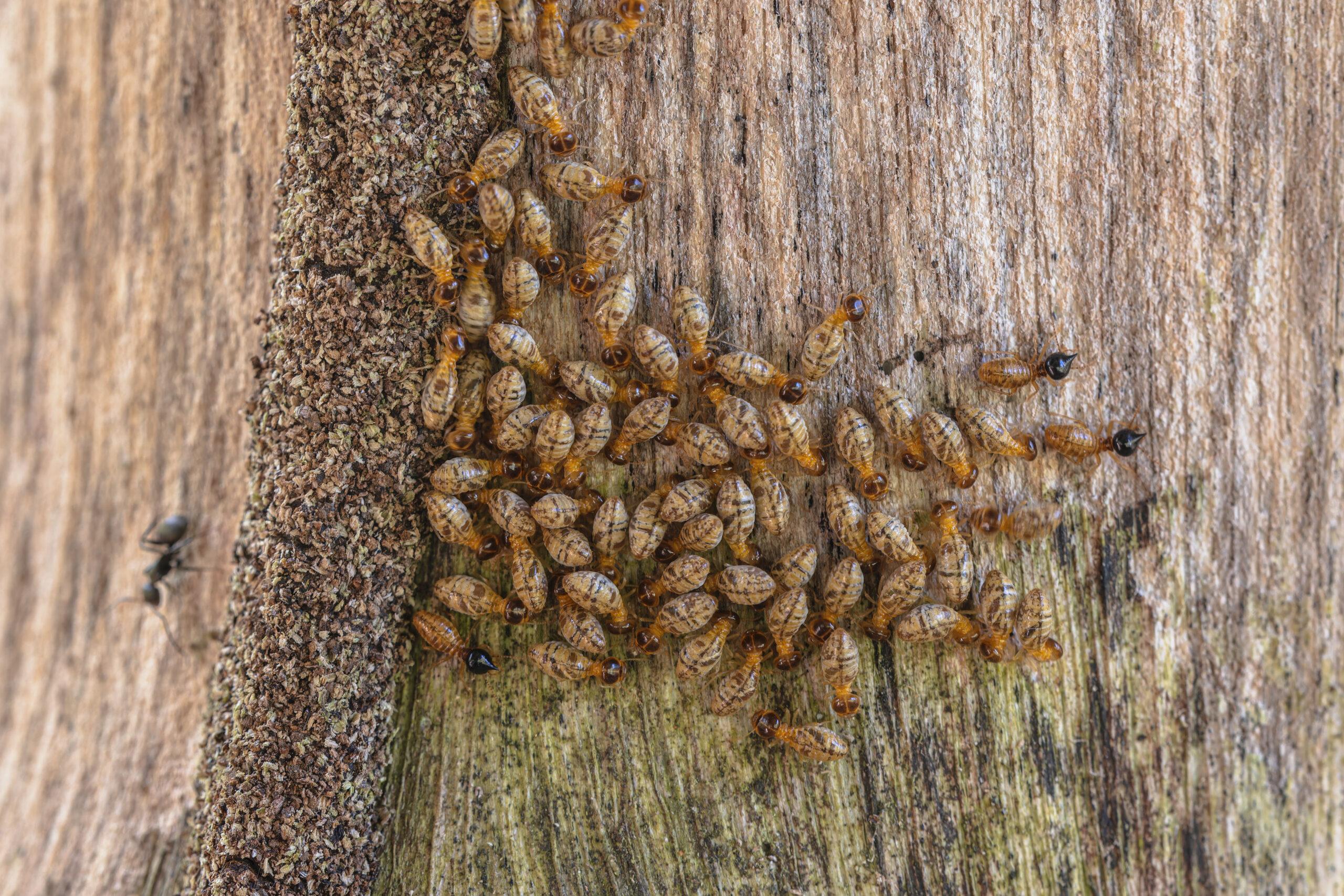
Termites are among the most destructive pests affecting homes and businesses in Texas, and they are a major concern for... Read More
- Apr 06, 2026
- 9 min read read