If you are a seasoned gardener, you will probably be familiar with how some garden bugs are only nuisances that poke holes in your greens and leaves, while others can benefit your plants greatly. To maintain a healthy garden, it is integral that you can tell them apart. It is equally important that once you’ve identified the pests, you can manage them effectively without resorting to artificial pesticides.
We’ve put together this guide to help you identify and manage garden bugs.
Let’s dive in.
Beneficial bugs
Ladybugs
Ladybugs don’t just look cute and friendly; they can keep your garden free of several pests. They prey on garden mites, mealybugs, and aphids – which feed on your tomatoes, cabbage, and kale, and destroy your flowers.
Bumblebees
Bumblebees — not to be confused with honeybees, which are smaller in size — help pollinate your plants, which in turn helps your garden grow. Try to be careful around these bugs though, because their sting can be painful.
Large ground beetles
Although their smaller counterparts can damage plants, larger beetles – typically longer than an inch, can drive slugs, snails, cutworms (more on these in a moment), and several other pests out of your garden.
They also won’t bother you during your gardening hours because these bugs are nocturnal.
Spiders
Ugly as they may be, the garden varieties of spiders prey on a lot of garden pests – more than any other beneficial bug. If you attract them with mulch, they can clear out several pests in your garden.
Pests
Aphids
No garden pest guide will be complete without the mention of nuisances that are aphids. They have several different species, both winged and the crawling kind, which can be of many different colors. They band together in large groups and suck on plants, greatly affecting their growth.
As I mentioned above, many beneficial bugs prey on aphids so that you can use them as pest control. Consider planting small flowers in your garden to attract such insects.
A stream of water from your hose can often be enough to remove aphids from your plants, but if all else fails, you can use organic pesticides.
Cabbage Worms
These worms damage several different veggies, including kale, cabbage, turnips, broccoli, and cauliflower. Cabbage worms munch on their leaves and poke holes in their flowers. Birds are natural predators of these bugs so that you can place some birdhouses in your garden as pest control.
Cutworms
These bugs are technically caterpillars, and they love to feed on sprouting plants. They cut into young seedlings – hence the name. If your young plant has wilted or has visible cuts, it’s a tell-tale sign of cutworms. And they aren’t limited to a certain kind of plant either. Instead, these creepy-crawlies can affect any young seedling.
Lure these bugs into eating cornmeal – which they cannot digest. When they eat those grains, they will die.
If your pest problem prevails, you can reach out to Drake Lawn & Pest Control to make sure your all your pests are gone for good.

Table of Contents
Similar Posts

Schedule Free Inspection
Recent Blogs
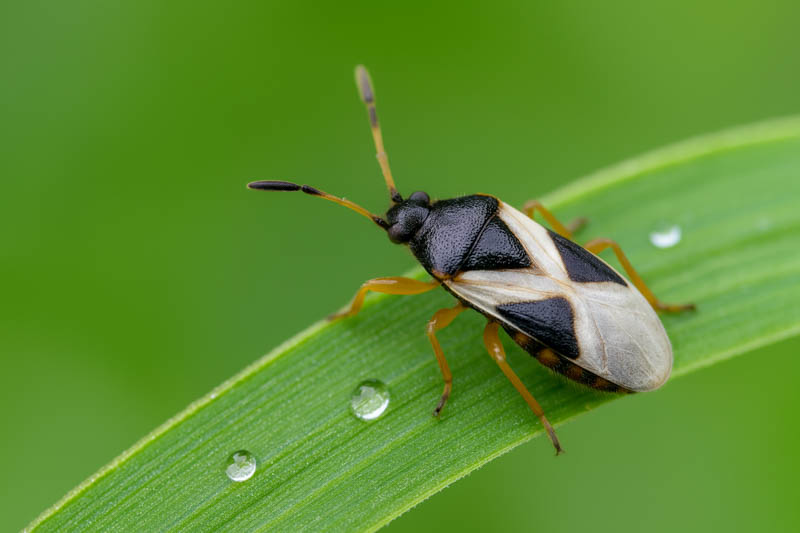
Chinch bugs are one of the most destructive lawn pests in South Florida, and they are a major concern for... Read More
- Apr 06, 2026
- 6 min read read
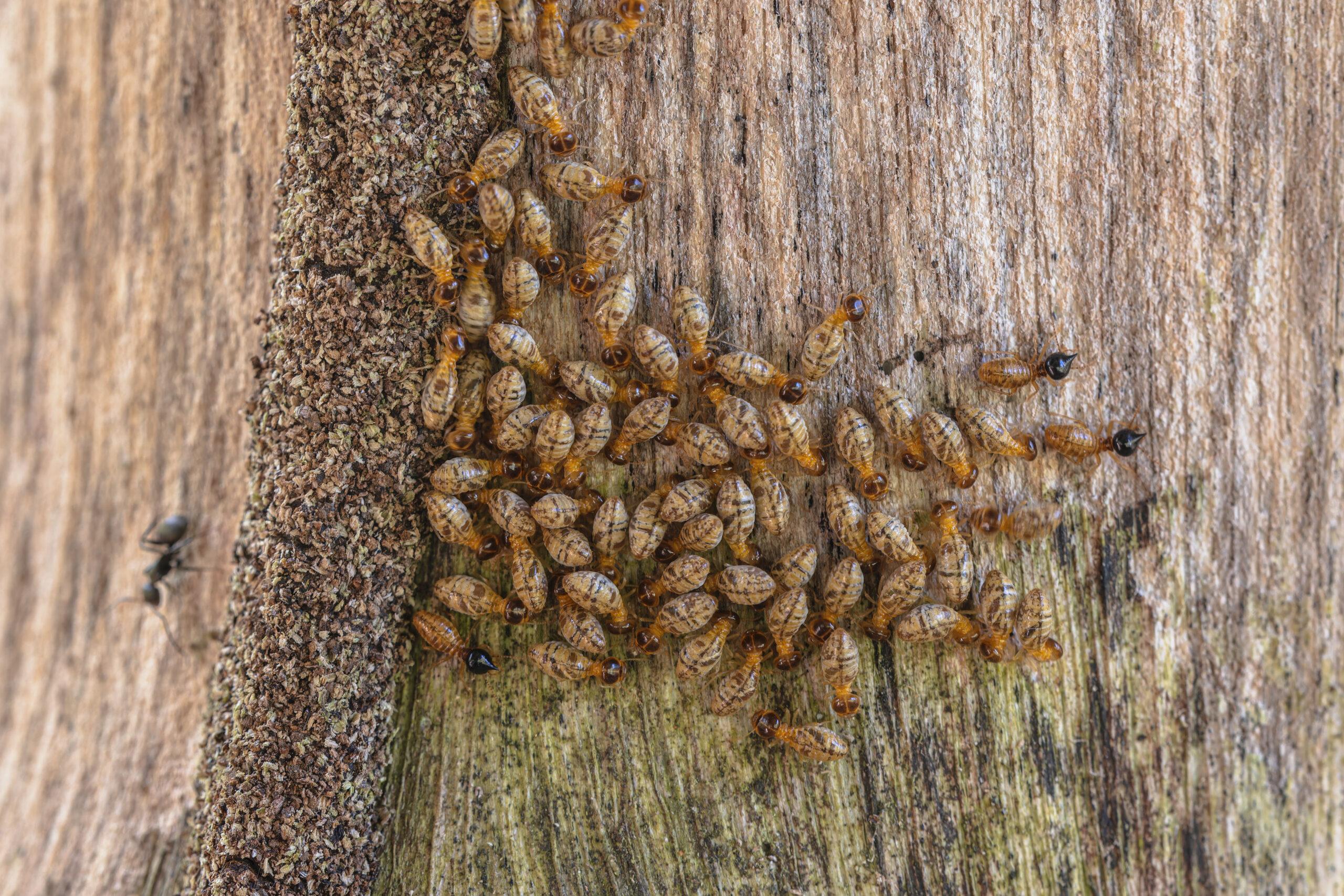
Termites are among the most destructive pests affecting homes and businesses in Texas, and they are a major concern for... Read More
- Apr 06, 2026
- 9 min read read
Each year, Florida homeowners report seeing winged termites—often called swarmers—inside or around their homes. While these insects may appear suddenly... Read More
- Feb 19, 2026
- 4 min read read