Florida’s warm, humid climate creates ideal conditions for lawn pests to thrive nearly year-round. From chewing insects to underground destroyers, lawn pests can cause extensive damage long before homeowners realize there’s a problem. Understanding which pests are most active, what damage they cause, and how to spot early warning signs is critical to protecting your lawn.
This guide explains the most common lawn pests Florida homeowners face, when they are most active, how to recognize infestation signs, and when professional treatment may be necessary.
Why Lawn Pests Are So Common in Florida
Florida lawns provide the perfect environment for pests due to consistent warmth, frequent rainfall, and dense turf varieties. Unlike colder regions where pests die off during winter, many Florida lawn pests remain active or return quickly in early spring.
Factors that contribute to lawn pest problems in Florida include:
- High soil moisture levels
- Warm temperatures throughout the year
- Thick turfgrass that retains humidity
- Over-irrigation and excessive fertilization
These conditions allow pests to feed, reproduce, and spread rapidly if left untreated.
Common Lawn Pests in Florida
Chinch Bugs
Chinch bugs are among the most destructive lawn pests in Florida, particularly in St. Augustine grass. They feed by sucking sap from grass blades, injecting toxins that cause turf to turn yellow, brown, and eventually die.
Sod Webworms
Sod webworms chew grass blades at night, leaving lawns with irregular brown patches. Their larvae often go unnoticed until visible turf damage appears.
Mole Crickets
Mole crickets tunnel through soil while feeding on grass roots. Their burrowing disrupts root systems, leading to spongy turf and thinning grass.
Armyworms
Armyworms can strip lawns of grass in a matter of days. They typically appear after heavy rains and feed aggressively, especially during warmer months.
Grubs
Grubs live below the surface and feed on grass roots, causing large sections of turf to lift easily from the soil. Wildlife activity often increases as animals dig for grubs.
Seasonal Lawn Pest Activity in Florida
Lawn pest activity in Florida fluctuates throughout the year:
- Spring: Grubs, mole crickets, and chinch bugs become active as temperatures rise.
- Summer: Peak damage season for chinch bugs, sod webworms, and armyworms.
- Fall: Continued feeding activity before pests burrow or overwinter.
- Winter: Reduced surface activity, but many pests remain active below ground.
Early detection during peak seasons helps prevent long-term turf damage.
Signs Lawn Pests May Be Damaging Your Yard
Common warning signs of lawn pest infestations include:
- Yellow or brown patches that don’t improve with watering
- Thinning or dying grass despite proper maintenance
- Spongy or uneven turf
- Increased bird or wildlife activity
- Grass that pulls up easily from the soil
These symptoms are often mistaken for drought stress or disease, delaying proper treatment.
Why Lawn Pest Damage Shouldn’t Be Ignored
Untreated lawn pests can cause widespread turf loss, leading to costly repairs and re-sodding. Severe infestations weaken grass roots, making lawns more susceptible to weeds, disease, and erosion.
Additionally, some lawn pests can spread into landscaped areas or attract wildlife that further damages property.
Preventing Lawn Pest Infestations
While no lawn is completely pest-proof, preventative steps can reduce risk:
- Water lawns properly without over-irrigating
- Mow at recommended heights for your grass type
- Avoid excessive fertilization
- Schedule routine lawn inspections
- Address thinning or stressed turf early
Preventative lawn pest treatments can stop infestations before visible damage occurs.

When to Call a Professional Lawn Pest Control Company
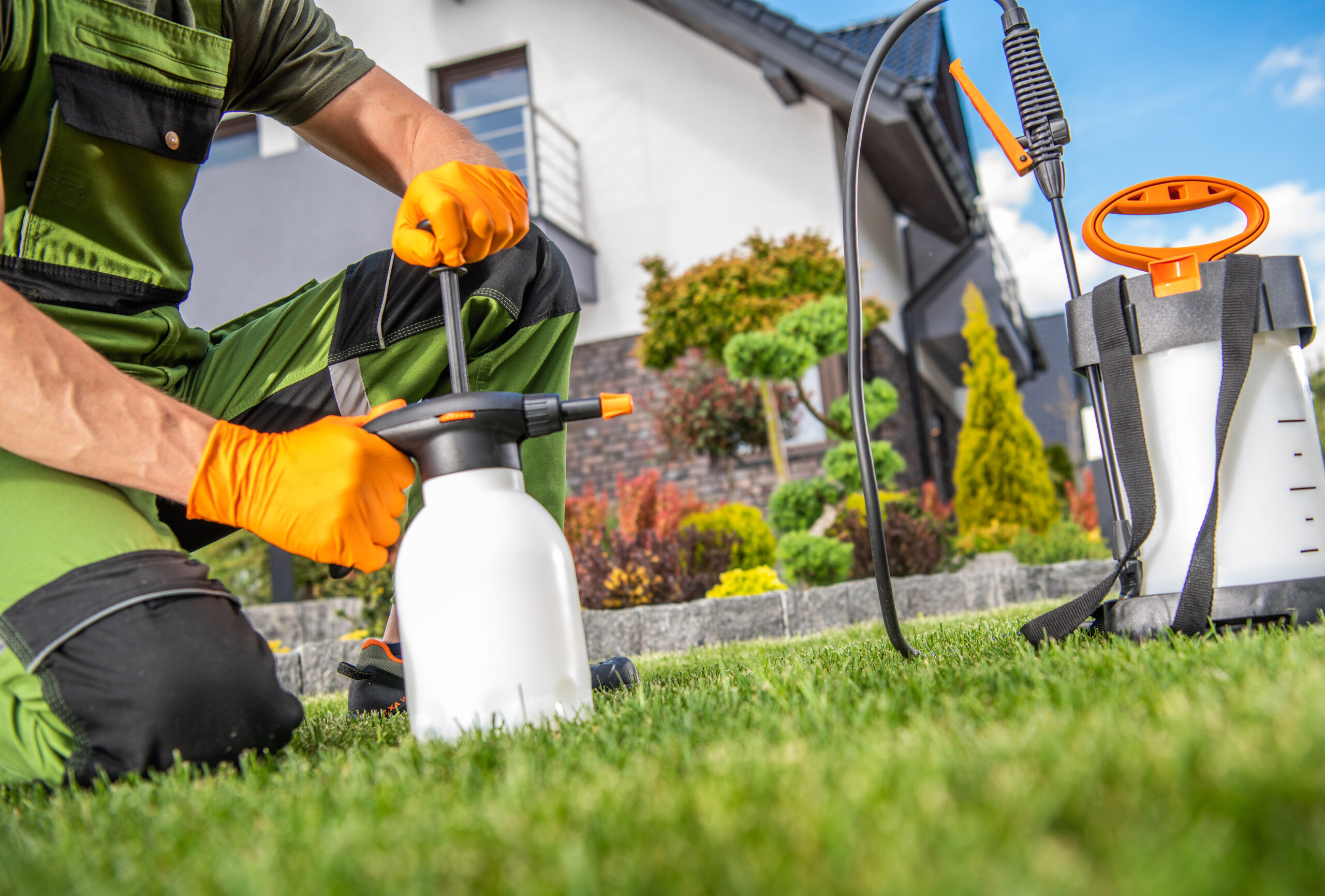
If lawn damage continues to spread or pests are suspected below the surface, professional treatment is often the most effective solution. Lawn pest control specialists can accurately identify the pest, apply targeted treatments, and help prevent future infestations.
Early professional intervention can save homeowners time, money, and extensive lawn repairs.
If you suspect lawn pests are damaging your Florida yard, scheduling a professional inspection can help protect your lawn before the damage spreads.

Table of Contents
Similar Posts
Schedule Free Inspection
Recent Blogs
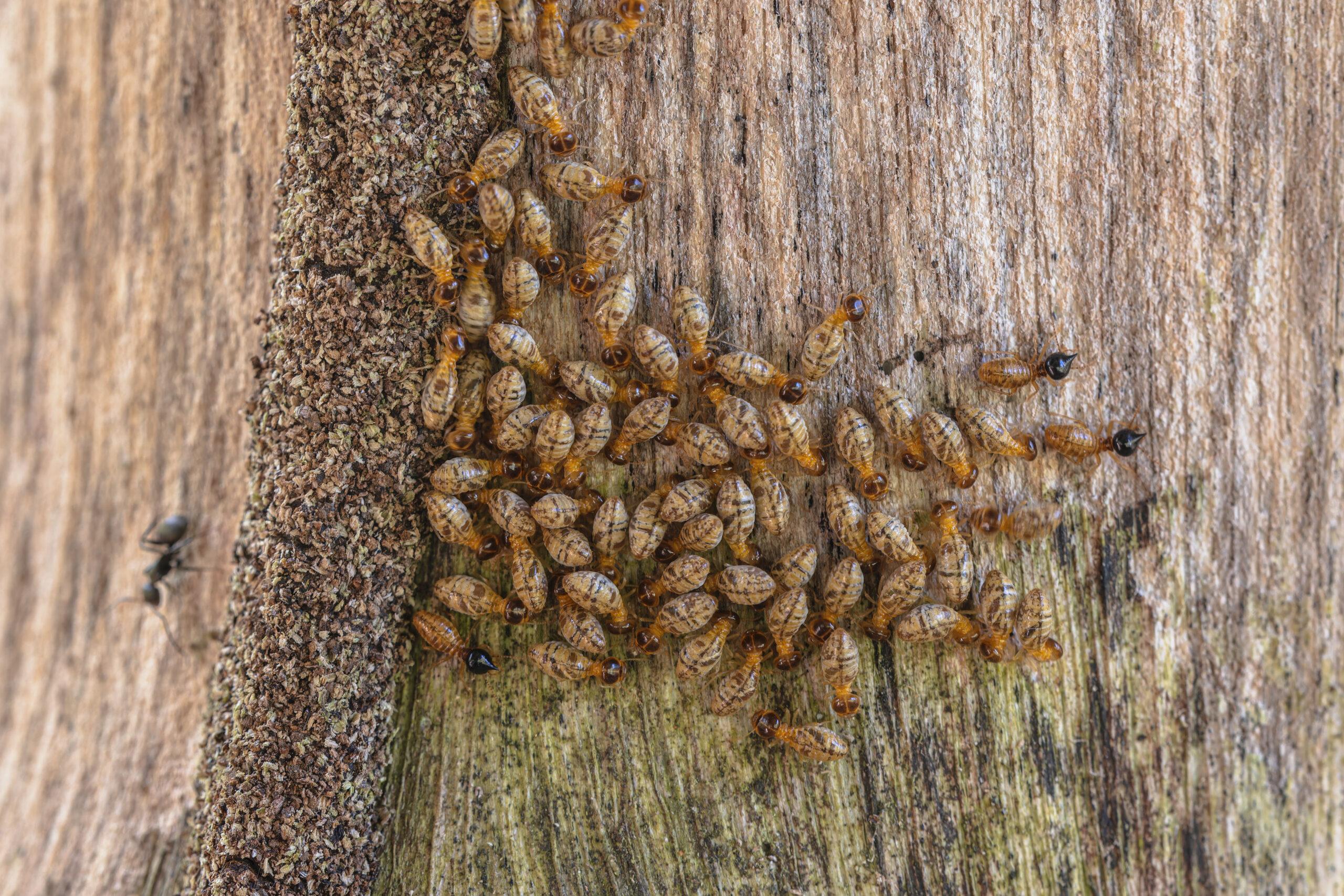
Each year, Florida homeowners report seeing winged termites—often called swarmers—inside or around their homes. While these insects may appear suddenly... Read More
- Feb 19, 2026
- 4 min read read
Houston’s warm climate and frequent rainfall create ideal conditions for lawn pests to thrive. Many homeowners don’t realize their lawn... Read More
- Feb 12, 2026
- 5 min read read
Florida homeowners often struggle with recurring lawn pest problems that seem to persist no matter the season. Unlike regions with... Read More
- Feb 05, 2026
- 4 min read read